
Ist Ihnen schon einmal aufgefallen, dass bei manchen Fahrzeugen im Straßenverkehr nach der Hubraumangabe in der Modellbezeichnung ein „T“ folgt? Dies bedeutet, dass der Motor des Fahrzeugs mit einem … ausgestattet ist. Turbolader Dieses Gerät erhöht die Motorleistung bei hohen Geschwindigkeiten und bietet gleichzeitig eine relative Kraftstoffeffizienz.
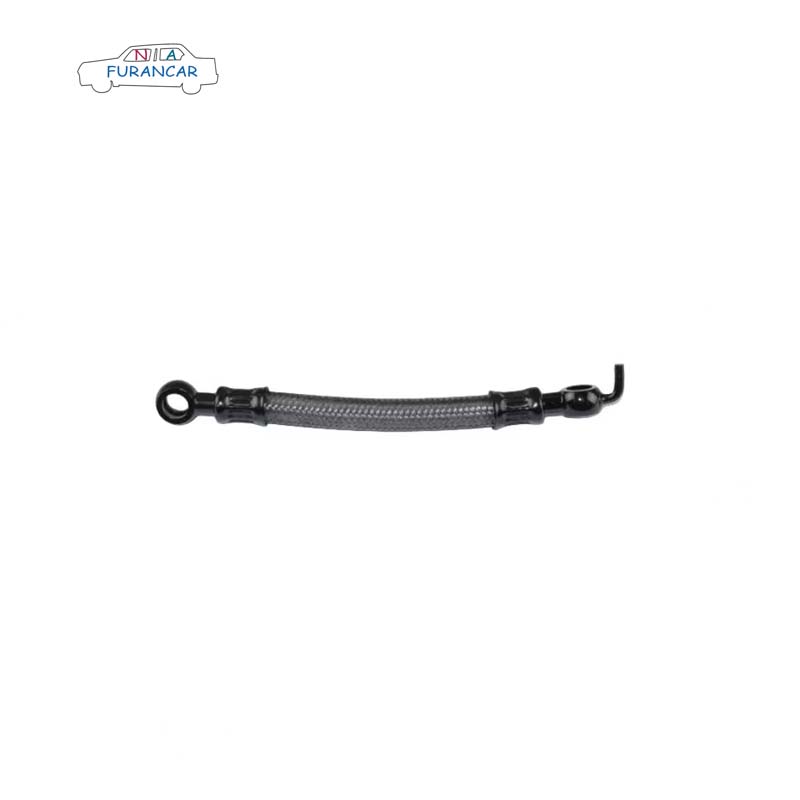
Das Ansaug- und Abgaskühlsystem für Turbolader-Motoren besteht typischerweise aus Luftfilter, Turbolader, Ladeluftkühler und den zugehörigen Luftkanälen. Die Luftzufuhr erfolgt entweder über Gummischläuche, die mit Stahlrohren verbunden sind, oder über Gummischläuche, die mit blasgeformten Rohren verbunden sind, oder direkt über gewellte, blasgeformte Rohre. Die hohe Flexibilität und die schwingungsdämpfenden Eigenschaften von Gummi- oder gewellten, blasgeformten Rohren erleichtern die Kanalführung und -montage und verbessern gleichzeitig die Schwingungsdämpfung des Luftzufuhrsystems erheblich. Frischluft erfährt nach der Filterung durch den Luftfilter und der Verdichtung durch den Turbolader während der Kompression einen deutlichen Temperaturanstieg. Typischerweise erreicht die Gastemperatur 150 °C bis 200 °C, bei Motoren mit hohem Ladedruck kann sie sogar 200 °C und über 275 °C erreichen. Nach der Kühlung durch den Ladeluftkühler sinkt die Gastemperatur unter 60 °C. Dadurch erhöht sich die Dichte der Frischluft, sodass der Motor größere Luftmengen ansaugen und mehr Kraftstoff einspritzen kann. Dies fördert eine vollständigere Verbrennung, wodurch Kraftstoffverbrauch und Emissionen reduziert und gleichzeitig die Motorleistung gesteigert werden.
Turboladerschläuche, die die Verbindung zwischen Motor und Turbolader herstellen, müssen der durch heiße Öldämpfe verursachten Quellung und Alterung während der Ansaug- und Abgasvorgänge im Ladeluftkühler standhalten und gleichzeitig bei niedrigen Temperaturen flexibel bleiben. Da Turbolader häufig unter hohen Drehzahlen und Temperaturen arbeiten – mit Abgasturbinentemperaturen von bis zu 600 °C und Rotordrehzahlen von 8.000–11.000 U/min – müssen alle Schichten (Innen-, Verstärkungs- und Außenschicht) beständig gegen Alterung durch hohe Temperaturen sein. Daher werden für die Innenschichten typischerweise ACM-, VMQ-, FKM-, AEM- oder EPDM-Mischungen verwendet, während für die Außenschichten ACM, VMQ, FKM, AEM, ABS (GDM) oder ähnliche Materialien zum Einsatz kommen. Die Verstärkungsschicht besteht aus Polyester oder aromatischen Polyamiden. Diese Gummimischungen, die anspruchsvollen Betriebsbedingungen standhalten, sind kostspielig und relativ schwierig zu verarbeiten. Die Entwicklung eines geeigneten Formulierungssystems, das die gewünschte Leistung bei gleichzeitiger Kostenreduzierung erzielt, stellt daher eine zentrale Herausforderung für Hersteller und Entwickler von Turboladerschläuchen dar.
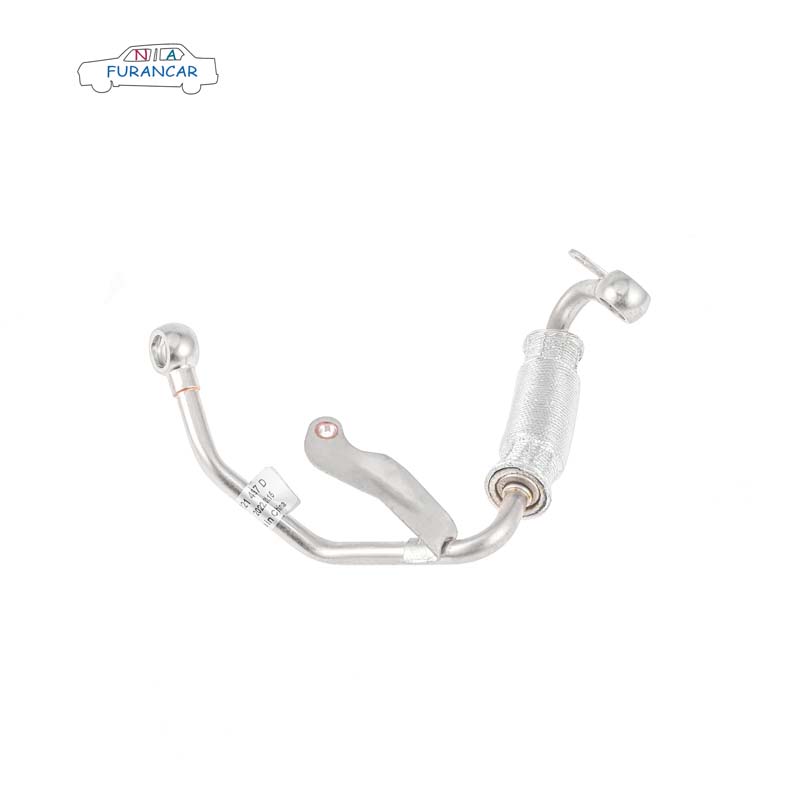
THERMAX N990, ein mittelkörniger pyrolytischer Ruß, wird durch thermisches Cracken von Erdgas hergestellt. Dieser Pyrolyseprozess verleiht dem Ruß die charakteristischen Eigenschaften einer großen Partikelgröße und einer geringen Struktur. THERMAX N990 findet breite Anwendung, da er Produkten Hitzebeständigkeit, Ölbeständigkeit, Chemikalienbeständigkeit und hervorragende dynamische Eigenschaften verleiht. Die große Partikelgröße und die geringe Struktur sorgen für eine hohe Füllfähigkeit. Eigenschaften wie geringer Druckverformungsrest, hohe Rückprallelastizität und geringe Hysterese ermöglichen es der Mischung, die inhärenten elastischen Eigenschaften von Gummi beizubehalten. Als nicht-verstärkender Ruß wird THERMAX pyrolytischer Ruß in Mischungen häufig eingesetzt, um Kosten zu senken und spezifische physikalische Eigenschaften zu erzielen.
Der Einsatz von THERMAX N990 in Gummimischungen wie FKM und ACM/AEM bietet im Vergleich zu anderen Rußsorten ein überlegenes Verhältnis von Verarbeitung und Produktleistung. Diese vorteilhaften Eigenschaften bleiben über verschiedene Füllstoffgehalte und Härteanforderungen hinweg stabil und übertreffen andere Ruße in Produktanwendungen. THERMAX N990 ist ein kostengünstiger Füllstoff für FKM, ACM/AEM und ähnliche Gummianwendungen, insbesondere bei hohen Füllstoffgehalten. Ein hoher Füllstoffgehalt reduziert den Polymeranteil in der Mischung und senkt somit die Kosten. Gleichzeitig verbessert die Zugabe von THERMAX N990 die Beständigkeit der Mischung gegenüber Öl- und Gasalterung sowie Hochtemperaturalterung. Es erleichtert zudem Misch- und Extrusionsprozesse. Haftungsprobleme zwischen inneren und äußeren Gummischichten sowie Verstärkungsschichten werden effektiv gelöst. Bei starken Gasimpulsen im Schlauch gewährleistet es ein ausgezeichnetes dynamisches Verhalten und sichert so die Langlebigkeit des gesamten Turboladersystems.
THERMAX N990 Carbon Black gewährleistet eine anhaltende Leistung Ihres Fahrzeugs auch bei hohen Geschwindigkeiten.
Stichworte :


 Whatsapp :
  Telefon :
  Email :