
Wie funktioniert ein Turbolader?
Die Turboaufladung funktioniert durch die Komprimierung von Luft, wodurch der Motor größere Luftmengen ansaugen kann. Dies ermöglicht eine gründliche Vermischung und Verbrennung von Kraftstoff und Luft und steigert somit die Motorleistung.
Was sind die Vor- und Nachteile der Turboaufladung?
Zu den Vorteilen zählt eine Leistungssteigerung von über 30 %. Die theoretisch vollständigere Verbrennung reduziert den Kraftstoffverbrauch und verbessert die Kraftstoffeffizienz. Der größte Vorteil liegt jedoch in der Emissionsreduzierung, was zu einer geringeren Umweltbelastung führt. Dies ist heutzutage besonders vorteilhaft, da die Emissionsnormen immer strenger werden und die Turboaufladung dadurch an Bedeutung gewinnt. Zu den Nachteilen gehören höhere Betriebstemperaturen und -drücke, die höhere Anforderungen an die Materialeigenschaften stellen. Der Motorverschleiß erhöht sich, was im Vergleich zu Saugmotoren zu einer kürzeren Lebensdauer führt. Zudem erzeugen Turbomotoren einen höheren Geräuschpegel. Darüber hinaus dauert es typischerweise zwei Sekunden, bis die komprimierte Luft beim Beschleunigen in Leistung umgewandelt wird. Dies führt zu einer spürbaren Verzögerung der Leistungsentfaltung im Vergleich zu Saugmotoren.
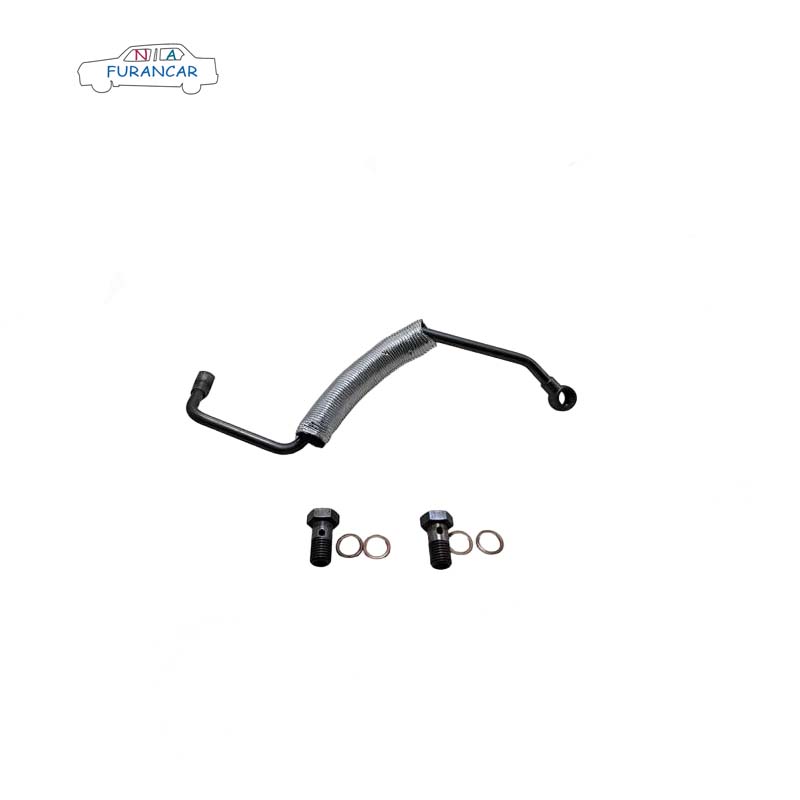
Wo wird Silikonkautschuk in Turboladersystemen eingesetzt?
Silikon wird hauptsächlich im C-förmigen Bereich der Turbolader-Systemverrohrung eingesetzt, wo die Betriebstemperaturen typischerweise zwischen 175 und 220 Grad Celsius liegen. Bestimmte Hochtemperaturabschnitte können sogar 250 Grad Celsius erreichen, was Silikon mit außergewöhnlicher Hitzebeständigkeit und Alterungsbeständigkeit erfordert. Die Silikonprodukte von NAFURANCAR sind in dieser Branche seit vielen Jahren etabliert. Ob Standard-Silikon, Dampfphasen-Silikon oder hitzebeständiges Silikon – wir bieten ausgereifte und stabile Lösungen. Diese Produkte haben sich über viele Jahre hinweg in umfangreichen Tests zahlreicher Kunden bewährt und genießen hohes Ansehen und Vertrauen.
Andere Gummimaterialien halten möglicherweise Betriebstemperaturen von 220 Grad nicht stand, warum also nicht Metallkomponenten für Abschnitt C verwenden?
Da Metallkomponenten nicht über die elastischen Eigenschaften von Elastomeren verfügen, können sie keine Stoßdämpfung bieten und sind daher für den Einsatz in Turboladersystemen ungeeignet.
Silikon ist nicht ölbeständig, wie also kann man die Vermischung von Öl und Gas sowie Ölleckagen im Wirbelrohr verhindern?
Das Innenauskleidungsmaterial für Wirbelrohre besteht aus 0,2–0,3 mm fluoriertem Silikonkautschuk oder 0,5–0,8 mm fluoriertem Silikonelastomer. Die Verstärkungsschicht besteht aus mit kalandriertem Silikonkautschuk laminiertem Aramidgewebe, während die Außenhülle aus einer einzelnen Silikonkautschukschicht besteht. Diese dünne Innenauskleidung bietet wirksamen Ölschutz. NAFURANCAR Die Fluorsilikonkautschukprodukte von [Name des Unternehmens] bieten eine ausgezeichnete Ölbeständigkeit, hervorragende Verarbeitbarkeit und wettbewerbsfähige Preise und sind damit die ideale Wahl für Ihre Anforderungen an die Auskleidungsschicht.
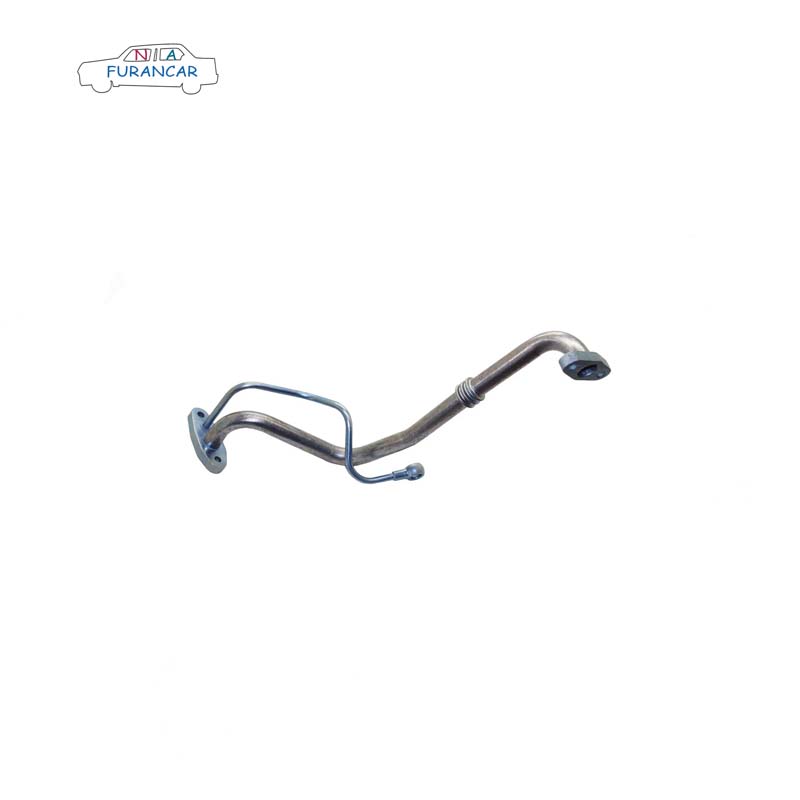
Welche betrieblichen Anforderungen gelten für Wirbelrohre?
Im Betrieb darf das Wirbelrohr keine Delamination der Zwischenschichten aufweisen, und weder seine Innen- noch Außenflächen dürfen Aufquellen, Risse, Ausbeulungen oder andere anormale Erscheinungen zeigen. Der PVY-Test simuliert die Betriebsumgebung des Wirbelrohrs, um dessen Qualität zu beurteilen. Dies geschieht primär durch Impulsdruckprüfung und axiale/radiale Schwingungsprüfung unter simulierten Temperaturbedingungen.
Wie wird dieses Wirbelrohr hergestellt?
Die Herstellung von Silikonkautschuk-Verbundschläuchen umfasst im Wesentlichen folgende Schritte: Compoundierung, Kalandrieren, Zuschneiden des Gewebes, Wickeln, Formen, Vulkanisieren, Entformen, Schneiden, Montage und Verpackung. Dies ist das derzeit gängigste Produktionsverfahren und macht über 80 % der Herstellung von Silikonkautschuk-Verbundschläuchen aus. Zusätzlich existiert ein Extrusionsverfahren, das den Arbeitsaufwand reduziert und gleichzeitig eine gleichmäßigere Qualitätskontrolle ermöglicht. Es erfordert jedoch höhere Standards bei Ausrüstung, Prozessparametern und der Compoundrezeptur. Für beide Verfahren gilt: NAFURANCAR bietet passende Produktlösungen an. Die
Welche zukünftigen Entwicklungstrends gibt es für Wirbelrohre?
Zukünftig werden Wirbelrohre vermehrt in stabilen, automatisierten Produktionsprozessen wie der Extrusion gefertigt. Bei der Materialauswahl liegt der Fokus auf Hochtemperatur-Niederdruck-Silikonkautschuk, der eine starke Haftung auf dichtem Aramidgewebe gewährleistet. Konstruktion und Fertigungstechniken konzentrieren sich auf dünnwandige Bauweisen und berücksichtigen gleichzeitig die Anforderungen an eine Kostenreduzierung. NAFURANCAR ist bestrebt, seine Produkte kontinuierlich an die Spezifikationen von OEMs und Kunden anzupassen und seine führende Position in der Branchenentwicklung zu behaupten.
Stichworte :


 Whatsapp :
  Telefon :
  Email :